Buy
Rent/Lease
Residential Commercial Land/Plots

Powering Real Estate Brands in Cities Across India

Recently Added Spaces

Coworking Space in Nehru Nagar BI239

Nehru Nagar

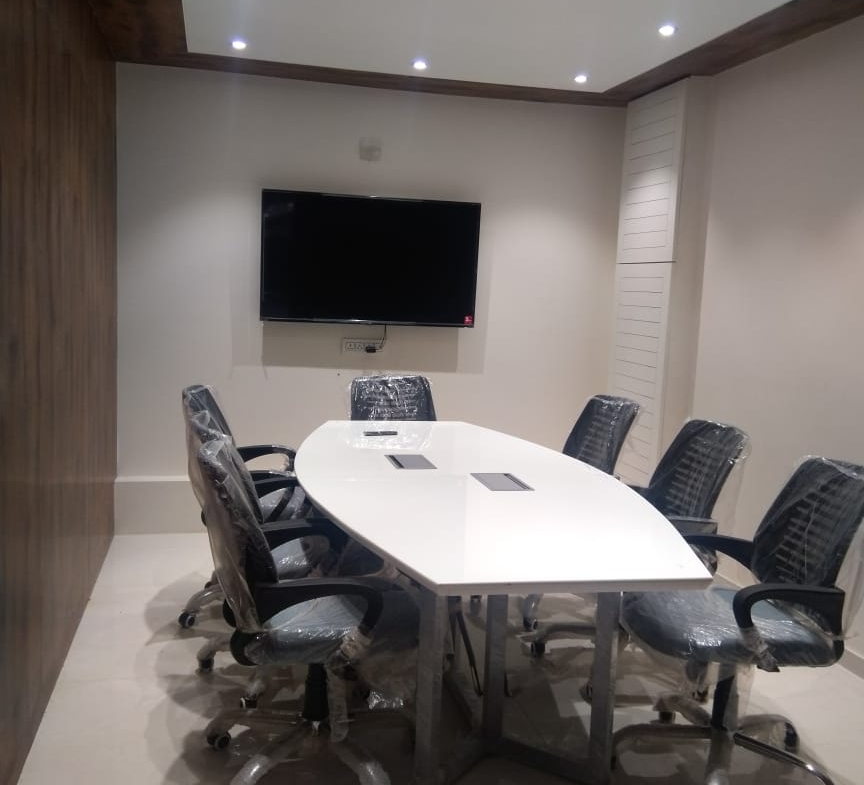
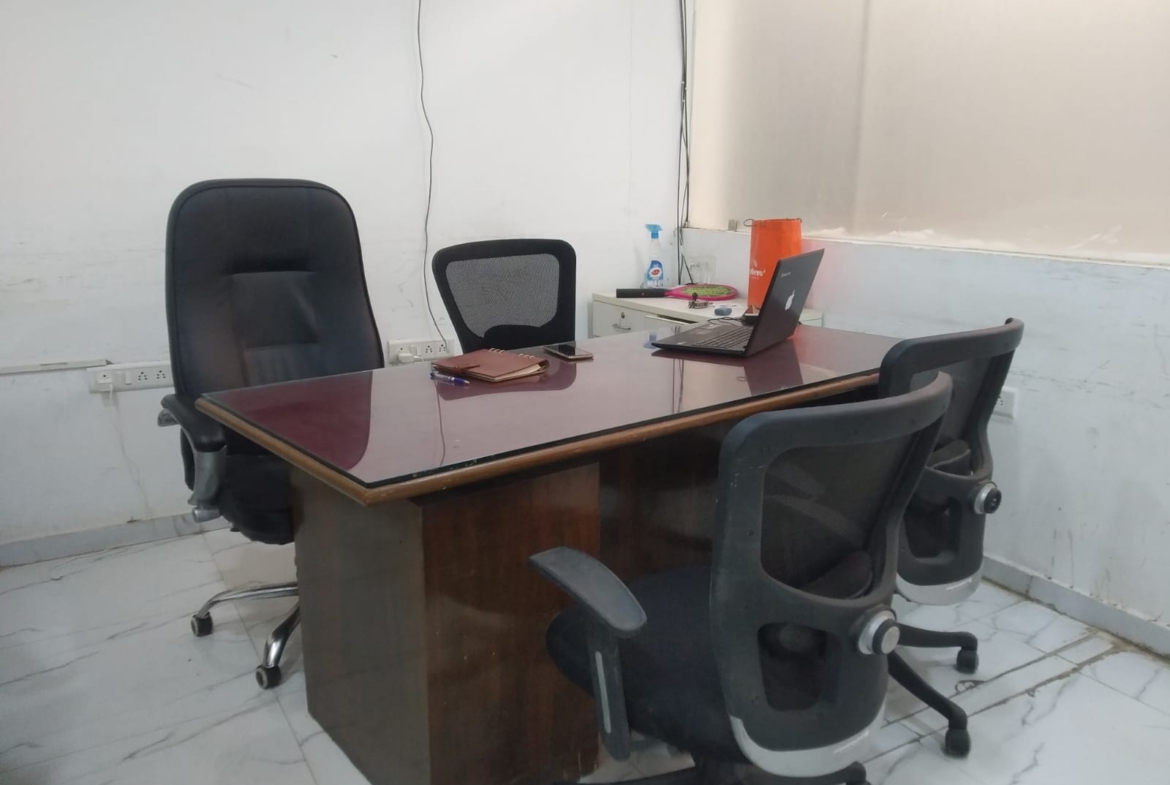
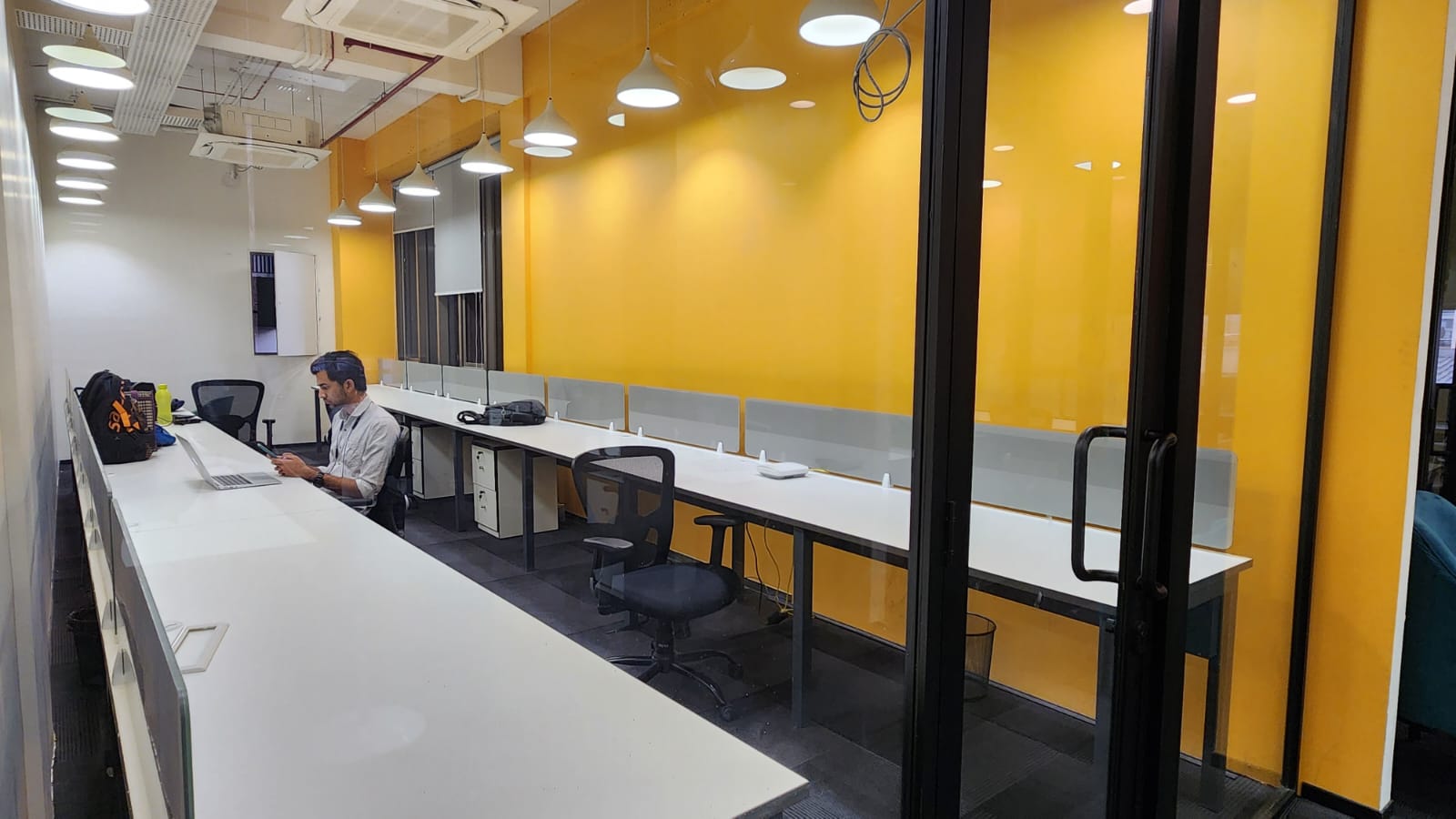
This business center is located in Venus Stratum, Nehru Nagar, Ahmedabad. An established e-enabled coworking space that delivers and deploys business, be it customer-centric or something that supports e-markets. The cloud city boasts leading-edge amenities with on-demand services to its driving workforce. Located on the 1st floor with ease of access this center caters to an enterprise with more than 520+ seating capacity. This coworking space is designed and managed by the facility team at Sprint. Each unit is furnished with a fully functional desk, Voice port & leased line Lan port, redundant port, and modular furniture. The support team at Sprint is well equipped to tackle daily obstacles. It consists of an On-Site Community Manager, Front desk Admin, Electrical Engineer & IT Engineer to administer daily operations. The support team will gladly address any issues about your daily operations to you through the community management and admin department.  Venus Stratum has ample covered car parking space and social infrastructure in the vicinity like residential, hotels, malls, and hotels making it sought-after commercial office space.  Located in Ahmedabad’s commercial destination, this coveted center offers a professional coworking environment with cutting-edge services. It has proximity to restaurants, retail stores, and shops. While being strategically located one can enjoy a plethora of services to their heart’s content. The working experience here is enhanced by its proximity to the metro station and bus stop.

Fill Shops and Offices Quicker. Grow Your Local Market.

Hear from our amazing Client’s!

Experience shared by our happy customers

Explore Our Latest Blog Post

Read about expert knowledge and industry relevance

Why Digital Marketing in Real Estate Is Now Essential for Growth

Dec 16, 2025
The homebuying journey today begins online, with Google searches, YouTube videos, Instagram reels, and WhatsApp conversations. Physical site visits are no longer the first step. Buyers now shortlist projects digitally before deciding which ones are worth visiting in person.Instead, to understand the locality or to compare the projects, most of the research happens online.For small and mid-size developers, this raises questions about their visibility, trust-building, and the ability to maintain consistent enquiries while buyers explore multiple options digitally.Large developers with their big budgets and full-fledged marketing teams do not face these challenges. Smaller developers, on the other hand, often lose high-intent buyers because their digital presence appears weaker.That is why digital marketing in real estate will be crucial from now on. It helps you build the foundation that decides whether a buyer interacts with your projects.What Digital Marketing in Real Estate Actually Means Digital marketing in real estate means building a strong online presence across paid and organic channels so buyers can discover, trust, and evaluate your project before visiting the site.This includes a mix of:Paid channels like Google Ads, Meta Ads, and YouTube Ads for visibility and demand generationOrganic channels like SEO, content, social media, Google reviews, and WhatsApp communication for trust and credibilityThe goal is to achieve consistent visibility and confidence-building at every stage of the buyer journey.Through your real estate marketing strategy, you must answer three core questions from the buyers:Can I trust this developer?Is this project right for me?Is this worth visiting in person?You will answer these questions by combining targeted ads, strong content, fast communication, and social proof into one consistent experience.What effective real estate digital marketing achieves:The right buyers find youThey get clear information instantlyThey feel confident enough to inquire or book a site visitWhy Buyers Prefer Digital-First Property Research ?They want information quickly and clearly Listings, walkthrough videos, Google Map views, price ranges, FAQs, or carpet areas. Buyers expect everything to be available instantly. If they can’t find answers fast, they move on to the next developer. 1. Digital presence = trustStrong Google reviews, verified social pages, regular updates, customer testimonials, and project reels play a huge role in credibility. To buyers, a developer who communicates openly online feels safer and more professional. 2. Video content drives decisionsYouTube walkthroughs, drone shots, testimonials, and short reels help buyers imagine the space before visiting. A single good video often does more convincing than a full brochure. 3. Convenience mattersA WhatsApp chat or browsing photos on Instagram is more convenient than calling multiple sales teams. Buyers can even check the builder’s website at their own pace.The earlier developers meet buyers in their journey, the better the chances of converting the lead. Core Pillars of an Effective Digital Marketing Strategy   1.SEO and ContentUse for: Building long-term trustWhile paid ads can help you bring traffic, SEO adds a layer of consistency to the traffic.When your project or brand ranks organically on search engines, you get leads without paying for every click.Your content can be delivered in the form of:BlogsLocation guidesInvestment explainersBuilder credibility pagesFAQs  2. Google AdsUse for: Capturing High-Intent BuyersWhen someone types a query related to a house or an office, they are already looking for a property. Google allows you to show up exactly at that moment of intent.For developers, this means:Leads who already know what they are looking forFaster conversionsHigher-quality enquiries compared to social mediaHere’s the thing, though: Google Ads only work when the strategy is correct. This means it should combine the right keywords, strong ad copy, and focused locations.   3. Meta AdsUse for: Building Interest and DemandNot many people open Instagram and Facebook to search for properties. However, they do stop the scrolling when they see a beautiful project reel, a lifestyle visual, or a smart amenities showcase.Meta ads are ideal for:Creating initial interestReaching IT professionals, investors, families, or NRI audiencesTelling your project story visuallyFilling the top and middle of your funnel   4. YouTubeUse for: Real Estate ResearchYouTube is now the go-to platform for:Walkthrough videosLocation explainersTestimonial storiesConstruction updatesProject introductionsA single 30–60 second video can build more trust than multiple static posts.YouTube ads also give massive reach at a lower cost, making them ideal for branding and awareness, especially for small and medium-sized developers.   5. WhatsApp AutomationUse for: Instant lead qualificationA quality lead is where it comes from and how quickly you respond to it.Buyers want instant answers. A delay of even a few minutes can make them switch to your competitor.WhatsApp automation solves this by:Sending immediate repliesSharing brochures, floor plans, and pricesQualifying leadsBooking site visitsKeeping the conversation active even at odd hoursThis makes WhatsApp one of the most effective real estate digital marketing tools for nurturing leads and accelerating site-visit decisions.   6. Social ProofIn real estate, trust is everything.This is why the following things play a huge role:Google reviewsTestimonial videosRERA-linked updatesProgress photosCompleted project showcases   7. AI Search & Discovery (Google + GPT + Assistive Search)Buyers are no longer searching only on Google. Many now use AI tools like ChatGPT, Google SGE, and voice assistants to research locations, pricing, and project comparisons.To stay visible in AI-driven search, you need:Strong SEO fundamentalsClear, structured website contentLocation-specific pagesFAQs and explainer contentConsistent brand mentions and reviews onlineAI tools pull answers from credible, well-structured digital sources.Developers with poor websites, thin content, or no online footprint risk being invisible in these searches.The Biggest Mistakes Developers Make in Digital MarketingMost developers think digital marketing means running ads.They will boost a post or two, launch some campaigns, and wait for enquiries to start flowing.But the reality is that ads alone:❌Don’t build trust❌Don’t convert❌Don’t close salesHere is what usually happens:Even if Google or Meta brings enquiries, buyers rarely convert instantly. They compare 5-10 projects, discuss options with family, and visit various pages before making a decision.Then, they will forget and move on.To avoid this, you need WhatsApp follow-ups, clear content, and reminders at regular intervals   a. No brand presence = low trust   A buyer clicks your ad and checks your:WebsiteReviewsInstagram pageYouTube videosIf these look empty or outdated, buyers will lose confidence.    b. No clarity = wasted budgetMany developers run ads without:Clear targetingStrong landing pagesNegative keywordsBudget controlConversion trackingThis results in irrelevant clicks, low-quality leads, and high CPLs.    c. No consistency = unpredictable enquiriesPosting randomly or running seasonal ads means enquiries spike for a while and then drop again.Digital marketing fails when you treat it as a collection of individual tasks.But when ads, content, videos, reviews, and automation work together seamlessly, that is when the buyer reaches your site from discovery. A Step-by-Step Real Estate Digital Marketing StrategyA buyer never converts in one step. They move through a clear online journey.     1.  Awareness- “This project looks interesting.”This is where the buyers first notice you.What works:YouTube adsInstagram reelsMeta adsGoogle Display adsShort teasers & lifestyle postsGoal: Make buyers aware, even if they weren’t searching for you.     2. Interest- “Let me check out the details.”Once buyers notice you, they want basic clarity about you.What you need:Landing pagesLocation explainersFAQ postsAmenity highlightsQuick comparison chartsGoal: Answer the buyer’s early doubts quickly.     3. Evaluation- “Is this project worth visiting?”Buyers compare you with your competitors.To stand out, you need:WhatsApp brochures and price sheetsFloor plans & carpet area clarityWalkthrough videosGoogle reviewsConstruction updatesGoal: Build enough trust for buyers to connect with sales.    4. Conversion- “Let’s book a site visit.”This is where the actual sales journey starts.What works:WhatsApp automationSmart remindersAssisted chat + callsClear directions and visit confirmationsGoal: Turn the buyer’s interest into a site visit or a bookingConclusion ?Digital Marketing in Real Estate Is Now the Foundation of Growth.Your digital presence now decides whether a buyer will even consider your project. A strong real estate digital strategy is a must to build credibility and guide the buyer smoothly toward a site visit.When you have a structured system in place, this whole process becomes a lot easier.At Brantford, we help developers build this connected digital system. Not isolated campaigns, but a structured approach where every touchpoint supports the next step in the buyer’s journey.If you’re looking to move beyond random ads and build a predictable real estate digital marketing strategy, Brantford can help. FAQ's1.  Which digital marketing channels matter most for real estate growth?A: Search engines, social media, and WhatsApp automation  play the biggest role. Together, they help buyers discover projects, evaluate options, and connect quickly with sellers.2. How does digital marketing help generate better-quality leads?A:  Digital marketing targets users based on location, intent, and search behaviour, ensuring enquiries come from buyers who are already interested rather than random walk-ins.3. How long does it take to see growth through digital marketing?A:  Paid campaigns can generate enquiries within weeks, while SEO and content build sustainable growth over months. Consistency is key for long-term results. { "@context": "https://schema.org", "@type": "FAQPage", "mainEntity": [{ "@type": "Question", "name": "Which digital marketing channels matter most for real estate growth?", "acceptedAnswer": { "@type": "Answer", "text": "Search engines, social media, and WhatsApp play the biggest role. Together, they help buyers discover projects, evaluate options, and connect quickly with sellers." } },{ "@type": "Question", "name": "How does digital marketing help generate better-quality leads?", "acceptedAnswer": { "@type": "Answer", "text": "Digital marketing targets users based on location, intent, and search behaviour, ensuring enquiries come from buyers who are already interested rather than random walk-ins." } },{ "@type": "Question", "name": "How long does it take to see growth through digital marketing?", "acceptedAnswer": { "@type": "Answer", "text": "Paid campaigns can generate enquiries within weeks, while SEO and content build sustainable growth over months. Consistency is key for long-term results." } }] }

Continue reading >>

Why Every Realtor Needs a WhatsApp Virtual Tour Strategy in 2025

Nov 26, 2025
The real estate buyers today don’t want long calls or endless back-and-forth. They want quick property information without any confusion at their fingertips.  This is why WhatsApp has become one of the most powerful channels for real estate conversations. A WhatsApp virtual tour takes it a step further, making it even easier to showcase the properties in minutes, right inside the app buyers use every single day. WhatsApp’s Rise As A Real Estate Marketing PowerhouseWith a massive user base of 390-400 million, WhatsApp has naturally turned into an app where buyers ask questions, check details, and request updates. Messages get opened instantly, replies are quicker, and information feels more personal compared to emails or website forms. From a purely performance perspective, WhatsApp easily outperforms traditional channels. According to some marketing studies, message open rates have reached 98%, with many messages being read within 15 minutes and interaction rates crossing 45%.  The click-through rate for WhatsApp campaigns can be within 15% to 60%+ range, with some well-optimized broadcasts reporting up to 80% in rare cases. This is a major advantage for real estate professionals. Instead of waiting for buyers to open an email or browse through a website, property info reaches them instantly through chat.  Photos, videos, floor plans, location pins, and walkthrough clips all load smoothly in WhatsApp. This helps buyers understand the property easily without having to ask too many follow-up questions. The WhatsApp Business Account also adds structure to this process. Features like catalogs, quick replies, and automated greetings help professionals share property details in a clean, organized format while keeping the conversation personal. What is WhatsApp Virtual Tour ?A WhatsApp virtual tour is a guided property viewing shared directly inside a WhatsApp chat. No extra app or website. Buyers simply open their messages and see the property through videos, images, short clips, or voice notes. These tours can be done in different ways. Realtors often use pre-recorded video walkthroughs, quick 360° clips to show space, or room-by-room videos with simple narration. Some even do “ask me anything” tours where buyers send questions and get instant replies. Because of the familiarity of the chat, buyers find it easy to watch, respond, and ask doubts while saving time. This leads to fewer unnecessary site visits, faster lead filtering, and smoother conversations with serious buyers. How to Set Up Property Listings on WhatsApp ?It takes only a few steps to set up property listings on WhatsApp.  Start by creating or converting your number into a WhatsApp Business Account, which unlocks business tools and automated messaging. Next, complete your business profile with your name, description, address, and website so buyers instantly know who they are speaking to. Use the catalog feature to create mini property listings. Add photos, pricing, location, carpet/built-up area, and key amenities. You can also attach CTAs  like “View Virtual Tour” or “Call for Site Visit.” For updates or new listings, use Broadcast Lits or WhatsApp Channels to reach multiple buyers at once, without spamming their chats.Step-by-Step: How to Create and Share a WhatsApp Virtual Tour1. Shoot a clean walkthroughWalk through the property slowly. Keep your phone steady (use a gimbal if you have one). Make sure the rooms are well-lit.2. Add simple contextRecord short voice notes or add small captions like “Living Room,” “Master Bedroom,” or “Balcony View.”3. Compress the video smartlyUse basic compression so the file sends quickly but still looks clear on WhatsApp.4. Arrange clips in orderFollow a simple sequence:Entrance → Living Room → Bedrooms → Kitchen → Balconies → Amenities5. Create a ready-to-send messagePut everything in one message that includes:The virtual tour videoProperty detailsPriceLocation pin A clear CTA: “Want to visit? I can book a site visit in 10 seconds.”6. Use Quick Replies (if on WhatsApp Business)Save this message as a Quick Reply so you can send it instantly to every new enquiry.Why Professionals Are Switching to WhatsApp-Based LeadsWhatsApp’s ability to filter serious buyers much faster than traditional methods is one of the primary reasons professionals are switching to WhatsApp. Site visits are time-consuming, but a quick virtual tour helps buyers understand the layout, lighting, and space early, so only high-intent leads move forward. WhatsApp also acts like a lightweight CRM. Using the chat thread, agents can manage follow-ups, share updates, send launch alerts, and run drip messages. It works smoothly for resales, rentals, new launches, and even commercial spaces, making it a universal lead channel. To Sum UpIt’s no surprise that WhatsApp virtual tours are quickly becoming the fastest way to qualify, engage, and convert today’s property buyers. They save time, build clarity, and make every listing easier to understand.With Brantford’s setup, tools, and marketing support, WhatsApp becomes a structured and efficient channel for lead generation and property marketing.  
Continue reading >>

Real Estate Marketing Strategies: What to Focus on Before Exploring Advanced Tactics

Nov 18, 2025
Real Estate Marketing Strategies have changed drastically in the past few years.The real estate market isn’t what it used to be. Today’s buyers no longer rely solely on site visits or broker recommendations. They like to research online, whether it’s Instagram property reels or comparing projects on Google.The bottom line is: It all starts with digital discovery.In the current environment, traditional marketing tools like banners, print ads, and word of mouth can only take you so far. What truly drives results now is a mix of digital visibility, consistent storytelling, and smart automation that keeps your brand top-of-mind from awareness to purchase.Merely showcasing your property is a thing of the past. You need to build a brand that buyers trust. We are here to help you build that credibility and create conversions in the current digital-first market. Understand Your Audience Before You SellBefore you post your first post or a reel, you need to know who you are speaking to. Every real estate project has a distinct audience, from first-time home buyers looking for affordable housing to investors seeking high-yield properties.Understanding their mindset, motivations, and online behavior is the first step to building effective real estate marketing strategies.Start by segmenting your audience based on key factors such as budget range, location preference, family size, and lifestyle goals.Once you know who they are, focus on where they spend their time online. This will help you target them with the right message at the right time.With modern digital marketing services for real estate, brands can track engagement, understand what buyers respond to, and optimize campaigns accordingly. Build a Strong Brand PresenceWhat separates one developer from another today? Brand perception.Buyers no longer purchase square footage; they invest in trust. This is where many real estate marketing agencies fall short because they focus on pretty posts instead of brand consistency or meaningful communication. Consistent communication, visuals, and storytelling help build that trust and make your brand instantly recognizable.You need to showcase what your company stands for. What emotions or values should your audience associate with you? Your logo, color palette, and tone of communication, every touchpoint should reflect your identity.When your online presence looks cohesive and confident, buyers feel more secure engaging with your brand.This is where real estate marketing strategies can play a major role. Beyond showcasing your homes, real estate brands and professionals need to showcase lifestyles. Marketing tools enable you to polish your campaigns, keep your social media human, and your brand voice consistent across platforms. Digital-First to Drive ResultsAfter strengthening your brand foundation, the next step is showing up where your buyers spend their time online.Digital marketing services for real estate enable developers and channel partners to strategically build the brand presence on digital platforms. Social Media MarketingPlatforms like Instagram, Facebook, and LinkedIn have become powerful tools in driving property discovery. High-quality reels, walkthrough videos, drone shots, testimonials, and construction updates help buyers experience your project long before a site visit. The more authentic your content, the more people will trust your brand. YouTube & Long-form ContentYouTube is now one of the strongest real estate search channels. Detailed project tours, FAQs, lifestyle videos, and developer interviews significantly boost credibility. Long-form content positions you as an industry authority and builds trust at scale. Paid Ads and Performance MarketingTargeted ads allow you to reach buyers based on location, income, behavior, and intent. Instead of shouting into the void, paid campaigns help you reach the people who are actively searching for homes or investment opportunities. This is where running ads, building funnels, and optimizing performance. WhatsApp & Email AutomationFollow-ups decide conversations. Tools that automate responses, send project information instantly, and keep leads warm dramatically improve site-visit ratios. These channels feel personal, which makes them highly effective for real estate. Listings & SEOWhile listings are still relevant, they work best when integrated with your broader digital presence. SEO-driven content like blogs, videos, and Google My Business updates ensures you show up whenever someone searches for projects or developers in your area. What Content to Post and WhyOften, content will give you your first site visit. Long before a buyer walks into your sales office, they have already judged your brand based on the posts, videos, and updates they see online. That is why every piece of content should be delivered with a purpose, either to build trust, answer questions, or move a buyer closer to inquiry. Project Walkthroughs and ReelsShort-form videos that showcase amenities, interiors, and neighborhood highlights perform exceptionally well. They give buyers a quick, immersive sense of the project. Construction UpdatesMonthly or milestone-based updates help build transparency. Buyers feel confident knowing the developer is consistent, active, and accountable. Buyer Testimonials and StoriesReal voices create real trust. Video testimonials or screenshots of positive feedback are powerful trust signals that influence undecided buyers. Educational ContentExplainer posts such as “Carpet Area vs Built-Up Area,” “How to Check RERA Details”, or “Hidden Costs in Home Buying” help establish your authority. When you educate your audience, you automatically become the developer/broker they trust. Festive Offers & Launch AnnouncementsHigh-intent triggers. These posts generate excitement and push buyers who are on the fence to take action and inquire.While many developers know what to post, consistency is the real challenge. And this is also where Brantford adds value. Instead of juggling multiple agencies or struggling with irregular content, Brantford helps you plan, create, and publish content that actually drives inquiries and builds long-term credibility. Future of Real Estate MarketingReal estate marketing is moving away from guesswork to an approach focused on data, personalization, and AI-powered conversations. Buyers expect instant responses, transparent information, and a smooth digital experience long before they ever meet a salesperson. Developers who adopt these technologies early will stand out in an increasingly competitive industry.Conversational AI, intelligent chatbots, and automated follow-up systems are changing how builders and channel partners interact with potential buyers. Instead of waiting for sales teams to respond manually, buyers can receive project details, pricing, and scheduling options within seconds. This keeps interest alive and significantly boosts conversion rates.At the same time, predictive analytics is helping developers understand market trends, buyer behavior, and pricing opportunities with far more accuracy. The future belongs to real estate brands that market smarter by combining creative content with data-led decisions. Summing UpThe foundation of effective real estate marketing strategies is simple: market your great projects the right way. What’s more, you need to market the projects the right way.Buyers now expect transparency, quick responses, strong branding, and a digital experience that feels effortless. All the successful developers and channel partners that you can think of today combine clear communication with constant visibility and smart technology.The truth is, your brand needs to stand out long before a buyer steps onto your site.Ready to grow your real estate brand the smart way? Get started with Brantford and turn your marketing into measurable results.
Continue reading >>

Why Online Reputation Matters for Real Estate Agents

Oct 28, 2025
Unlike old times, first impressions today don’t always happen in a meeting room or a site visit. They happen online. Most of the time, before a client calls or messages you, they have already searched your name. What they see in that search determines whether they trust you enough to take the next step. That is why online reputation for real estate agents is not just about what you post, but about what clients find when they Google you. For any real estate professional, managing your digital footprint is as essential as managing your listings. To strengthen that digital footprint, you first need to understand where clients begin their research and how they form impressions online. 1. How Clients Research Agents OnlineClients today are digital-first decision makers. They don’t just rely on word of mouth, they verify it. A quick search like “top real estate agents near me” or “best developer in [city]” can reveal everything from listings and Google reviews to past client feedback and social media activity. Understanding how clients research real estate agents online helps you shape the story they see. Typically, clients will: • Google your name or firm to check credibility • Scan reviews to gauge trustworthiness • Look at your website and listings, or assess professionalism • Check social media for activity and authenticityIf they don’t find much, or find outdated or negative information, they will likely move on to the next agent.2. Why Online Reputation for Real Estate Agents MattersReal estate is built on trust, and your online reputation is now the foundation of that trust. Unlike traditional referrals, digital impressions are public and permanent. A single bad review or an unoptimized profile can influence hundreds of potential clients. This is where real estate reputation management becomes critical. Managing reviews, monitoring mentions, and curating content helps ensure that your digital image reflects the professionalism you bring to every deal.For developers, this extends to digital presence, where project pages, media coverage, and online reviews shape buyer confidence long before site visits begin. 3. What Clients Really See on Google SearchOn search engines like Google, what shows up is your brand story. Your Google search results for real estate professionals typically include: • Your website and property listings • Google Business Profile • Customer reviews • Social media accounts (LinkedIn, Instagram, Facebook)4. Personal Branding: Your Most Valuable AssetStrong personal branding for real estate agents turns visibility into credibility. Your brand is not just your logo or tagline; it is how your clients perceive you online. A well-defined brand voice, consistent visuals, and authentic storytelling help you stand out in a crowded market. Tips for building a strong personal brand: • Use professional photos on all digital platforms. • Optimize your LinkedIn and Instagram bios with your expertise and market focus. • Share success stories and testimonials to add social proof. • Create educational content like blogs, videos, or market updates. It shows authority. • Press mentions or news articles5. Building Trust With Your Digital FootprintYour digital footprint tells clients who you are before you ever meet. Every post, listing, and review shapes their perception. To improve online credibility in real estate, focus on three areas: • Authenticity: Be transparent about your services and experience • Activity: Stay visible with regular posts, listings, and updates • Accuracy: Ensure contact details, project info, and brand visuals are consistent everywhere This helps in building trust with your digital footprint, showing clients that you are active, engaged, and reliable. These are the key elements of a strong online reputation for real estate agents today.6. Use Reviews as Social ProofIn property sales, social proof is everything. Buyers and investors trust peer opinions more than marketing claims. Encourage clients to share feedback on Google, housing forums, and social media. Positive Google reviews for real estate agents can dramatically increase visibility and credibility. But don’t ignore negative reviews; address them professionally and publicly. A thoughtful response shows maturity and accountability, turning criticism into moments that help you build trust7. Visibility Driving ConfidenceFor builders and developers, digital presence for developers is an ecosystem of trust. Beyond a website showcase, you can strengthen your online credibility by: • Updating Google Business listings for every project.• Publishing verified project details with consistent naming.• Sharing construction updates and client testimonials. • Highlighting awards, certifications, and media mentions. Through confidence built through visibility, clients feel secure in their purchase decisions.8. Managing and Monitoring Your ReputationConsistency is key to sustaining a good online reputation for real estate agents. Use reputation tools for agents like Google Alerts, Mention, or Brand Yourself to stay informed whenever your name or business appears online. Regularly check: • Review platforms • Social media comments • Real estate listing portals • Community forums This helps you manage online profiles for property agents and respond promptly to any issues before they affect your brand perception.How to Improve Your Online Image-5 StepsIf you have never actively managed your reputation before, start small:1. Audit your digital presence. Google yourself and review what clients see.2. Claim your profiles. Secure your listings on Google and on other platforms.3. Clean up old content. Remove or update outdated information.4. Request reviews. A few recent, genuine reviews go a long way.5. Create value-driven content. Regular updates build authority and improve SEO. These small changes can quickly improve your online image before clients search for you, ensuring your best side shows up first.Summing UpIn a market where trust defines success, online reputation for real estate agents is your strongest asset. It influences whether clients call, invest, or move on. Building a positive, consistent digital presence is not a one-time task but an ongoing commitment to credibility, transparency, and connection. So, the next time a client Googles you, make sure what they find reflects who you are and not just what you sell. Clients are already Googling you. Make sure they like what they find. Partner with Brantford offerings to strengthen your digital footprint and showcase your credibility where it matters most.
Continue reading >>

How to Retain Clients: Strategies That Help Your Business Stay Top of Mind

Oct 18, 2025
No doubt finding a new client takes time. It is also a lot of effort and requires a significant marketing spend. But what if we told you that real growth is in keeping the clients you already have? Learning how to retain clients effectively can turn one-time buyers into long-term partners and loyal brand advocates. The following client retention strategies apply to builders, channel partners, and even agencies in building credibility and strengthening relationships. This is the only guide you will need to understand how to make clients remember you long after the deal is done.1. Focus on Building Relationships, Not Just TransactionsThe most important thing: treat your client like people, not projects. Too often, businesses focus on closing deals and then move on after the deal is done. But clients remember how you made them feel during and after the process. Here are a few ways to build client relationships that last: Stay in touch regularly: Check in with clients a few weeks after a project wraps up, not to sell but to see how things are going. Listen actively: Understand their pain points and expectations. Small gestures like remembering details from previous conversations show genuine care. Be transparent: Honesty builds trust, especially in industries where clients value reliability.2. Stay Top of Mind With Constant CommunicationIt is crucial to think beyond sales calls. Regular, valuable communication keeps your brand visible and relevant. You don’t have to flood inboxes. Instead, focus on being helpful and authentic. Try these approaches: Monthly newsletters with updates, tips, or project highlights Social media interactions that show behind-the-scenes moments or celebrate client milestones Personalized follow-ups during important dates like anniversaries and birthdays Consistency is key. Clients shouldn’t only hear from you when you are pitching a new service, they should see you as a constant, trusted presence in their professional world.3. Show Appreciation Through Thoughtful GesturesEveryone likes to feel appreciated, especially clients who have trusted you with their investments. If you are looking for ideas to thank the clients or customer appreciation ideas, start with something personal. It doesn’t have to be expensive; what matters is thoughtfulness. A few simple gestures include: Sending a handwritten thank-you note after a project completion Offering small thank you gifts for clients, such as custom calendars, branded notebooks, or festive hampers. Featuring client success stories on your website or social channels4. Follow Up After The SaleMost businesses forget one crucial step: the follow-up after the sale. Your client’s journey does not end when the deal closes. A timely, genuine follow-up builds trust and opens the door to future opportunities. Some effective after-sales follow-up examples include: Checking in to ensure everything went smoothly post-delivery Asking for feedback or testimonials (and genuinely acting on them) Sending reminders about maintenance, renewals, or upcoming projects The combination of these things helps you stay visible long after the initial transaction.5. Create Meaningful Post-Sale EngagementThink of post-sale customer engagement as an ongoing dialogue. Clients who have already worked with you are more likely to return if you continue providing value. Consider: Exclusive updates: Offer early previews of new listings or projects Loyalty benefits: Give returning clients priority booking or service discounts Knowledge sharing: Host short webinars or send helpful guides about real estate trends or investment insights6. Invest in Relationship MarketingRelationship marketing examples show that clients stay loyal to brands that invest in trust, not just transactions. This means focusing on long-term satisfaction rather than one-time conversions. A few best practices include: Maintaining an updated client database for personalized outreach Tracking engagement touchpoints across email, WhatsApp, and social media Creating campaigns that recognize existing clients instead of only targeting new leads7. Make Technology Work for YouDigital tools can simplify how you want clients to remember you. From CRM platforms to social automation tools, the right technology helps you stay organized, responsive, and proactive. Here is how: Use CRM reminders for birthdays, anniversaries, and check-ins Automate thank-you emails and feedback forms post-sale Monitor client interactions to tailor future communications 8. Measure and Improve Client Loyalty You can’t improve what you do not measure. Track key metrics like:Repeat client rate: How many clients returnReferral rate: How many clients recommend you to others Feedback sentiment: How clients describe their experience These numbers help you refine your client retention strategies and focus your efforts where they matter most.9. Turn Clients Into Brand AmbassadorsThe ultimate sign of client retention is when your client becomes your advocate. Encourage testimonials, case studies, and word-of-mouth recommendations. Highlight client partnerships on your website or social media. Show that you are proud to have them as part of your journey. This approach builds community and trust, qualities that no ad can buy.ConclusionLearning how to retain clients is all about building meaningful, consistent relationships. When clients feel valued, they bring good opportunities through referrals and partnerships. Whether through appreciation, engagement, or relationship marketing, the goal is the same: staying connected, staying memorable, and growing together. At Brantford, we believe every business has a story worth remembering, and with the right communication, your clients will too.
Continue reading >>

WhatsApp for Real Estate: How to Write Messages That Get Replies

Sep 27, 2025
In real estate, quick and effective communication makes the difference between closing a deal and losing a lead. With buyers and sellers constantly on the move, traditional emails often go unopened, and phone calls can feel intrusive. That’s where WhatsApp for real estate shines. As the most widely used instant messaging app, WhatsApp has become a personal, fast, and convenient way to connect to prospects. However, simply sending a message isn’t enough. Is your message getting a reply? That is what really matters.Writing WhatsApp messages that get replies is easier than you think. Let’s break down the principles, common mistakes to avoid, and some bonus templates to boost response rates for your real estate business. Why WhatsApp for Real Estate Works Real estate thrives on speed, trust, and convenience. Unlike emails, WhatsApp messages are opened almost instantly. In fact, response rates on WhatsApp are significantly higher than other traditional channels. The higher levels of personalization WhatsApp provides also give it an edge. Prospects are more likely to reply to WhatsApp’s friendly message than to a generic marketing one. With features like quick replies, document sharing, and voice notes, realtors can share property details, send photos, or even schedule a viewing in seconds.Compared to traditional text messaging for real estate, WhatsApp goes a step further by enabling richer, two-way conversations with prospects. Text Messaging for Real Estate: Common Mistakes Agents Make While text messaging for real estate can work, many agents fall into common mistakes that reduce their chances of getting replies. Overloading the message: Sending long, cluttered texts that overwhelm the recipient. Most buyers do not appreciate such long-form messages and want clarity in just a few sentences.Sounding too formal or salesy: WhatsApp is a personal space. A stiff, scripted tone makes the message feel like spam instead of a genuine conversation starter.Poor timing: Messaging prospects late at night or during working hours without context often leads to ignored texts.No clear call-to-action: Many agents forget to guide the prospect on the next step, leaving them unsure of how to respond.  Principles of WhatsApp Messages That Get Replies Writing effective WhatsApp messages requires clarity over cleverness and personalization over a one-size-fits-all approach. Moreover, respect for the recipient’s time is essential.  Here are a few principles to keep in mind: Keep it short and clear: Aim for two to four sentences. Prospects should be able to skim through your message in seconds and understand what you are offering.Personalize whenever possible: Use the recipient’s name, reference their recent inquiry, or mention a property they have shown interest in. Small details signal that your message is relevant and not mass-sent. Offer value, not just information: Instead of saying, “We have a new property listed,” say, “A new 2BHK just became available in the area you were exploring.” Tailoring the message to the buyer’s needs increases engagement.Create curiosity: Asking open-ended questions like, “Would you like me to share more options in this locality?” encourages a quick response. Use a clear call-to-action (CTA): Every message should end with a simple next step, such as confirming a time for a call, scheduling a visit, or replying with a yes/no. WhatsApp Message Templates for Real Estate You can adapt these templates with your own details and tone. Here are five WhatsApp templates for real estate you can use right away:1. First Contact with a New LeadThe Goal: Start the conversation without overwhelming them.“Hi [Name], this is [Your Name] from [Agency]. I noticed your interest in properties around [Location]. Would you like me to share a few options that match your budget and preferences?”Why it works: Personalizes the message and ends with a simple yes/no question.2. Following Up After a Property VisitThe Goal: Keep the momentum going after a showing.“Hi [Name], it was great meeting you at [Property Address] today. Did you have any thoughts about the space? I can also share similar options in the area if you’d like.”Why it works: Keeps the conversation open while offering extra value.3. Re-Engaging a Cold LeadThe Goal: Revive interest without being pushy.“Hi [Name], just wanted to check if you’re still exploring homes in [Location]. A few new listings have come up that might interest you. Should I share the details?”Why it works: Gentle nudge, creates curiosity, and gives them an easy way to say yes.4. Announcing a New Property ListingThe Goal: Share fresh inventory with targeted leads.“Hi [Name], a new 3BHK has just become available in [Location]. It’s close to [Landmark] and priced at [Budget Range]. Would you like me to send pictures or schedule a visit?”Why it works: Specific details + clear CTA increase response rates.5. Nurturing a Seller LeadThe Goal: Build trust with property owners considering a sale.“Hi [Name], this is [Your Name]. Properties in your area are selling quickly, and buyers are actively looking. If you’re still considering selling, I’d be happy to give you a quick market update.”Why it works: Establishes authority and positions you as helpful, not pushy.Tools and AutomationEven the best-written messages won’t achieve the results you want if they’re not sent at the right time, to the right lead, with proper follow-up. That’s where technology comes in. With Brantford’s real estate marketing platform, agents can manage all their lead conversations in one place.Instead of juggling between multiple apps, you can:Automate follow-ups with customizable WhatsApp templatesSegment leads based on interest and locationTrack responses to see which messages are working bestSchedule property updates or reminders without manual effortMerging automation with personalization ensures that messages feel relevant while saving you hours of repetitive work. This results in more replies, stronger client relationships, and faster closings. Conclusion WhatsApp for real estate gives agents the speed, convenience, and personal touch clients expect. This only works if the messages are optimized to get replies. When you avoid common mistakes, follow simple principles, and use ready-made templates, you can turn every message into a chance for engagement. With Brantford’s real estate marketing services, agents can run smarter WhatsApp campaigns, use customized message templates, and reach targeted audiences. Instead of juggling multiple apps, Brantford helps you streamline outreach, track responses, and engage the right prospects at the right time. Ready to get more replies, more leads, and more deals? Connect with Brantford today.   { "@context": "https://schema.org", "@type": "BlogPosting", "mainEntityOfPage": { "@type": "WebPage", "@id": "https://brantfordindia.com/blog-detail/how-to-write-messages-that-get-replies-whatsapp-for-real-estate" }, "headline": "WhatsApp for Real Estate: How to Write Messages That Get Replies", "description": "Master whatsapp-for-real-estate with proven tips to write messages that get replies, engage clients, and close more property deals effortlessly.", "image": [ "https://admin.brantfordindia.com/images/blog/202509271133whatsapp-for-real-estate.webp" ], "author": { "@type": "Person", "name": "Brantford India" }, "publisher": { "@type": "Organization", "name": "Brantford India", "logo": { "@type": "ImageObject", "url": "https://brantfordindia.com/path-to-logo-image.jpg" } }, "datePublished": "2025-09-27", "dateModified": "2025-09-27", "keywords": "whatsapp-for-real-estate, real estate whatsapp messages, whatsapp marketing for real estate, real estate communication tips, property lead generation whatsapp, real estate agent whatsapp strategy, whatsapp client engagement real estate, how to write real estate whatsapp messages, boost replies whatsapp real estate, real estate sales whatsapp tips" }
Continue reading >>

Why Us ?

Brantford is your all-in-one solution for real estate marketing. We offer powerful, yet easy-to-use tools designed to help you build visibility, credibility, and conversions. We’re the perfect partner for local developers, channel partners, and new agents looking to grow their residential and commercial real estate business. Our digital tools and automated solutions give you everything you need to list, market, and sell properties without the complexity or high cost.